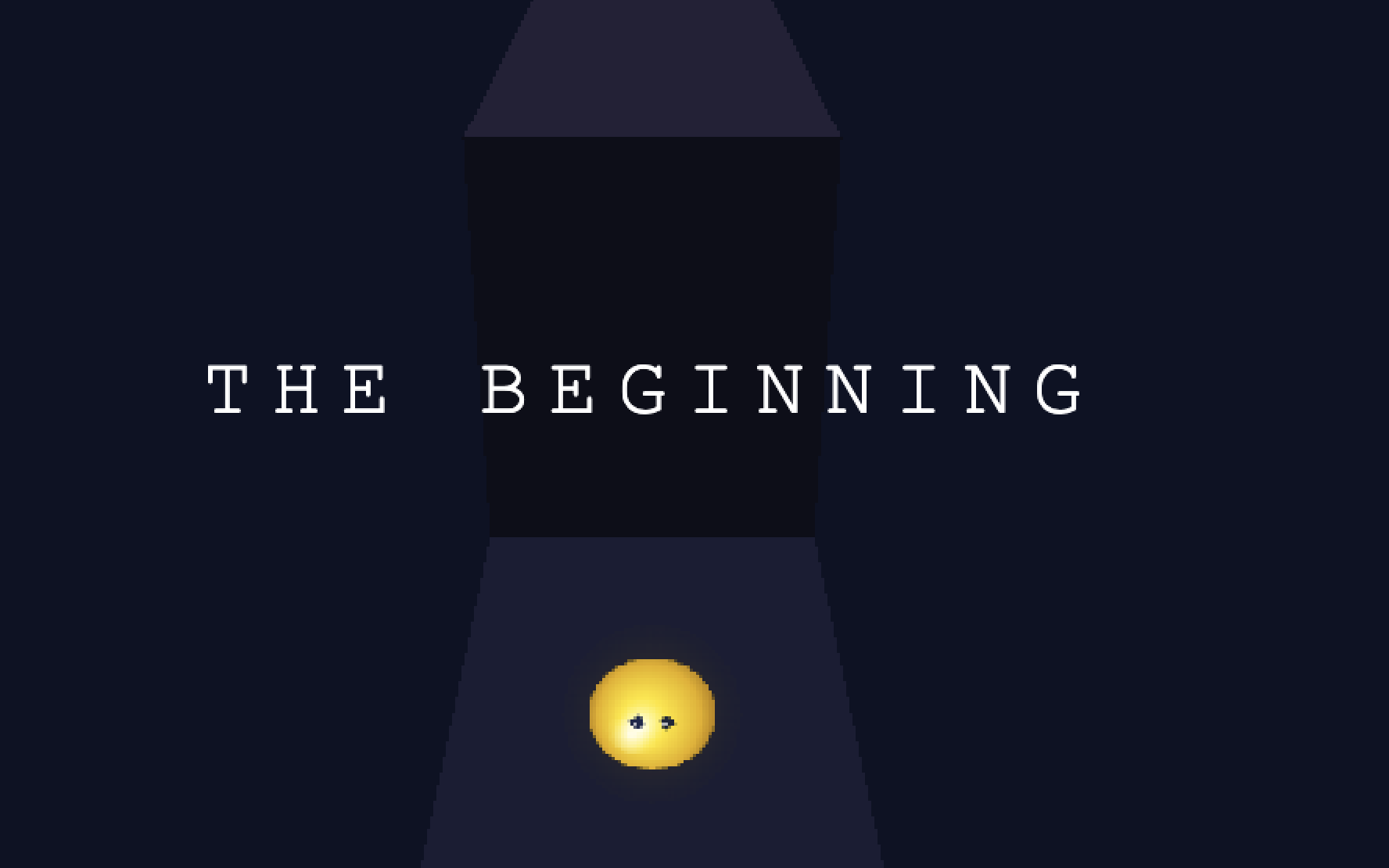
CAPI
by Adrien, Sathwik, and Melisa.
WALKTHROUGH
---------------------------------------------------------------------------------------
🟡 Sonic Experience
Link to audio files
TIMELINE:
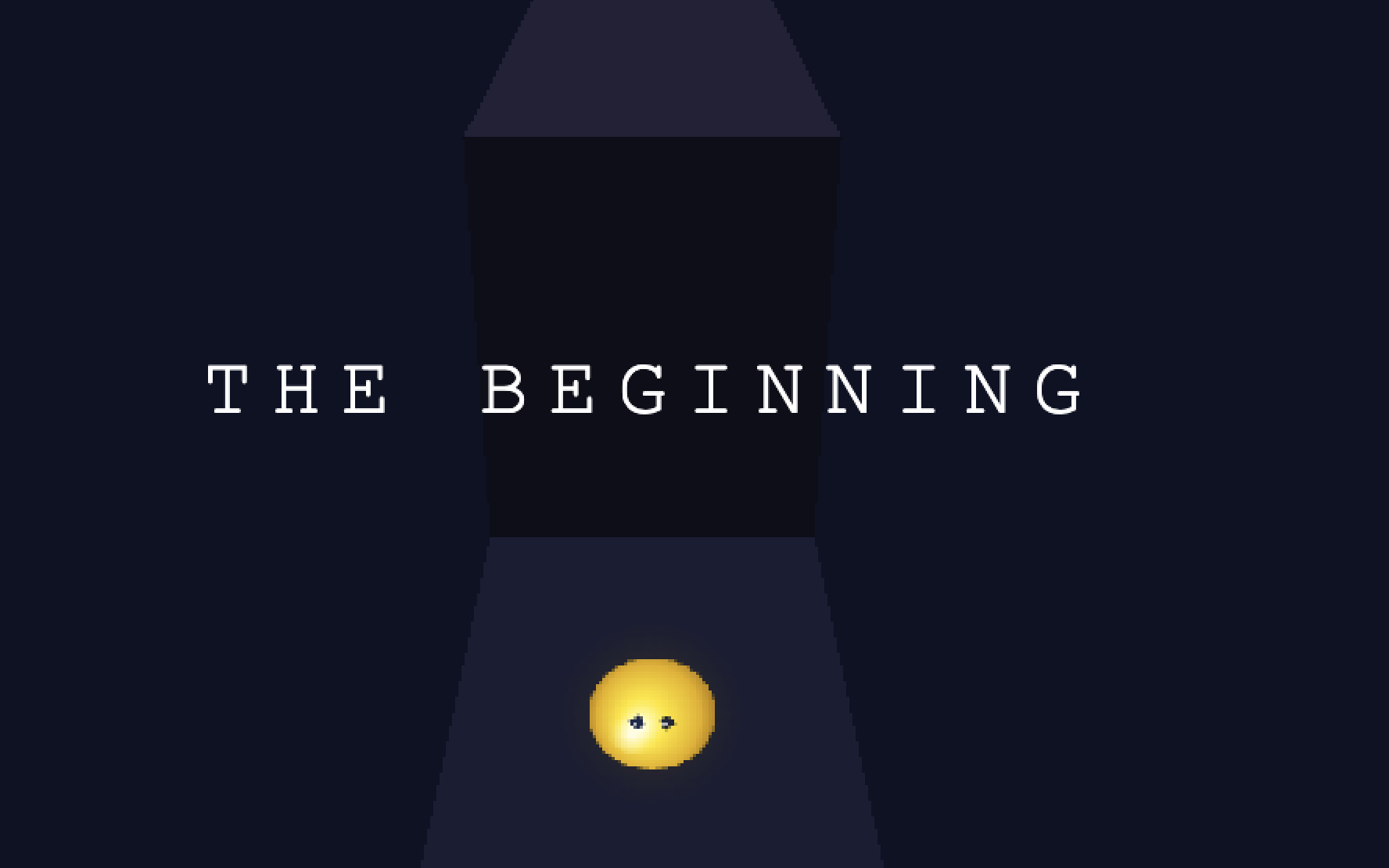
1. The Beginning - Player takes their first steps into their decision-making journey.
2. The Middle - Player uses audio cues for each stage as context as to what period of life they are making choices in.
3. The End - The decisions amount to nothing, and all the careful choices have been made in vain.
INSTRUCTIONS:
Use WASD or ARROW KEYS to walk
HEADPHONES RECOMMENDED!
---------------------------------------------------------------------------------------
DOCUMENTATION
SKETCHES OF OUR THOUGHT PROCESS:
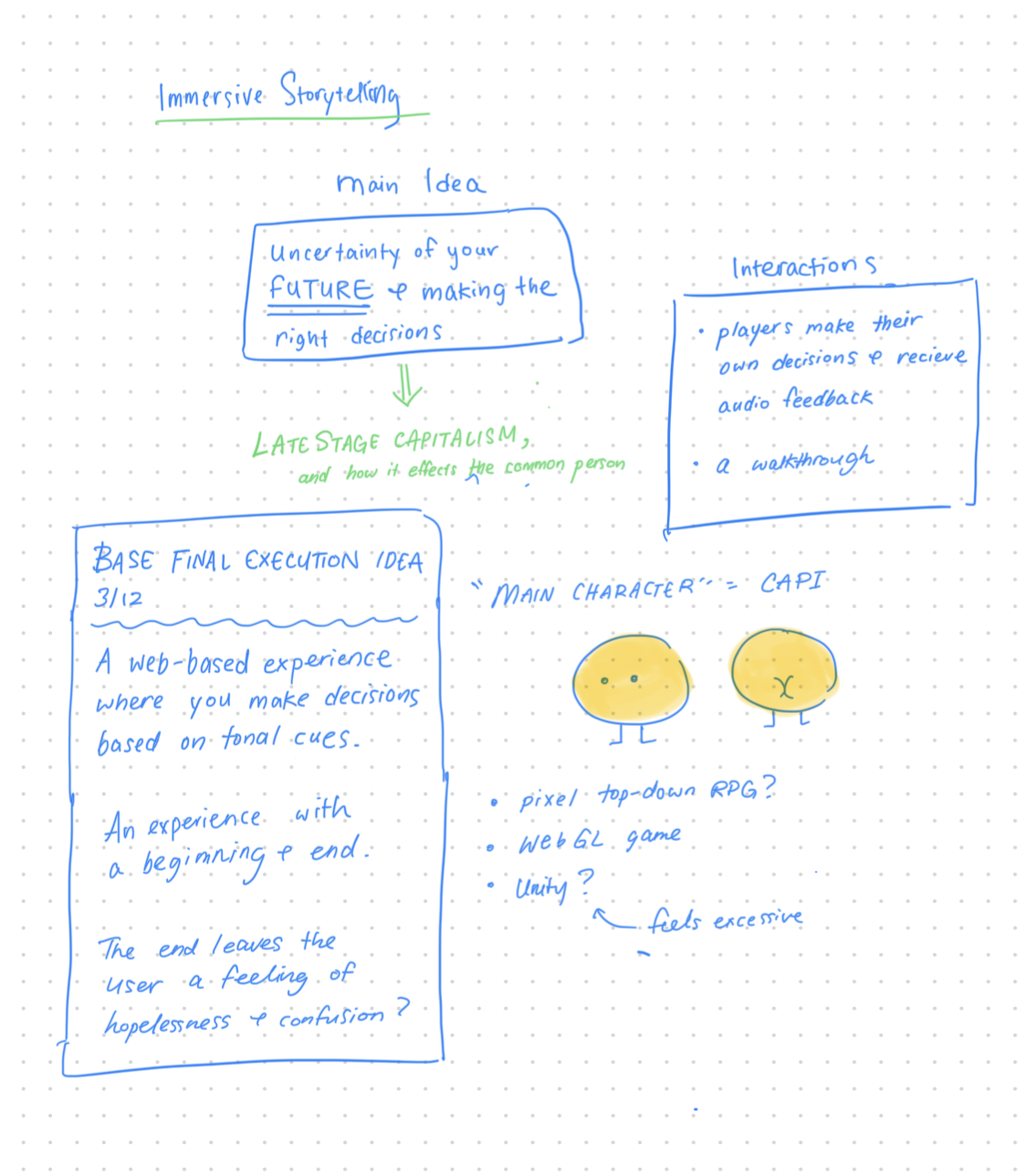
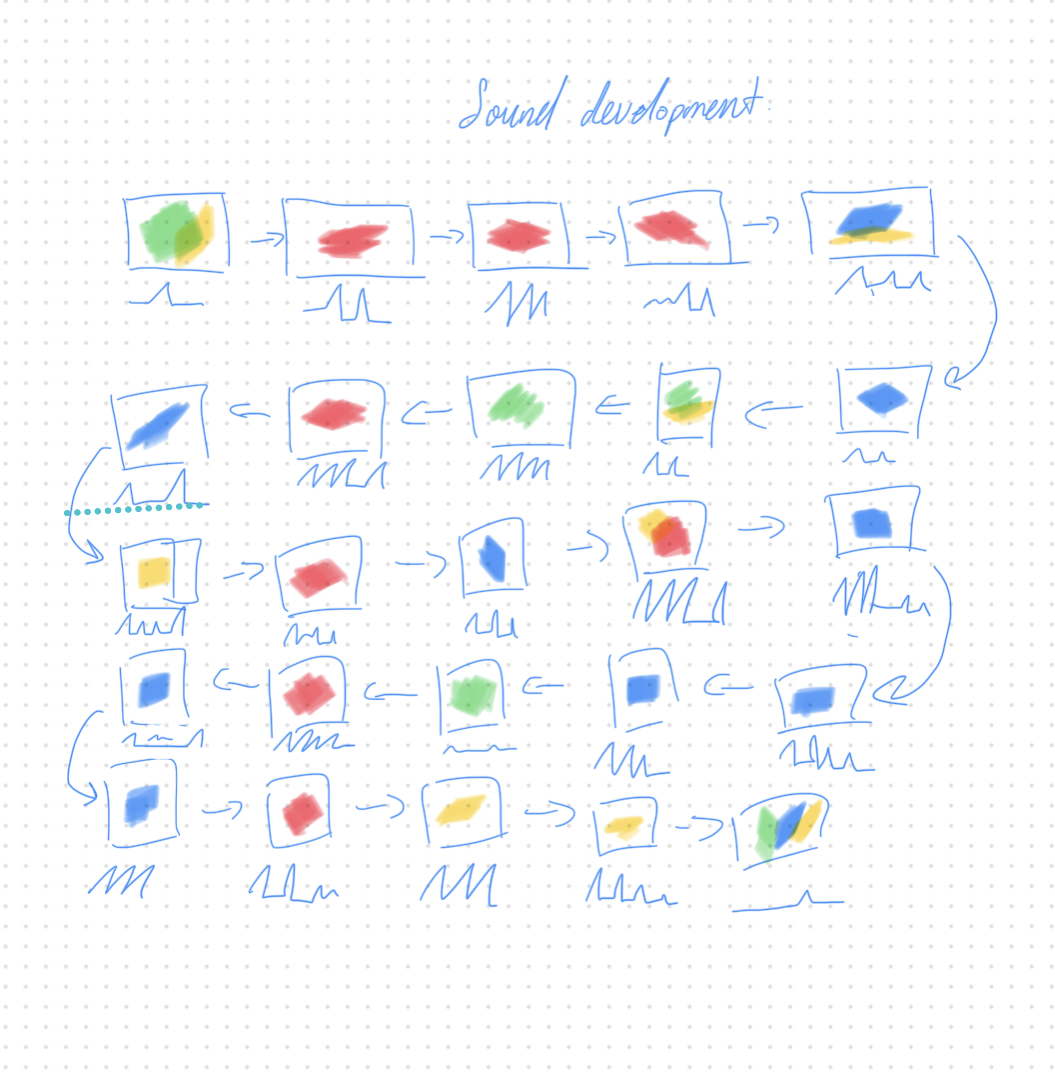
The Development of CAPI
Working on CAPI together turned out to be an unexpected creative experience to be a part of. The project sat at the intersection of sound design, gameplay, and code, with each of us pulling on a different thread of the same idea. Melisa first vibe-coded a working version of the game on Claude and then refined it into something playable. Adrien built the sonic world of the game in FL Studio, and Sathwik aided in the sound sourcing and planning of the contents of the levels. The rest of the build came together as those layers slowly started to talk to each other. Watching sound and code shape one another taught us a lot about how individual design decisions amalgamate outward across an entire project.
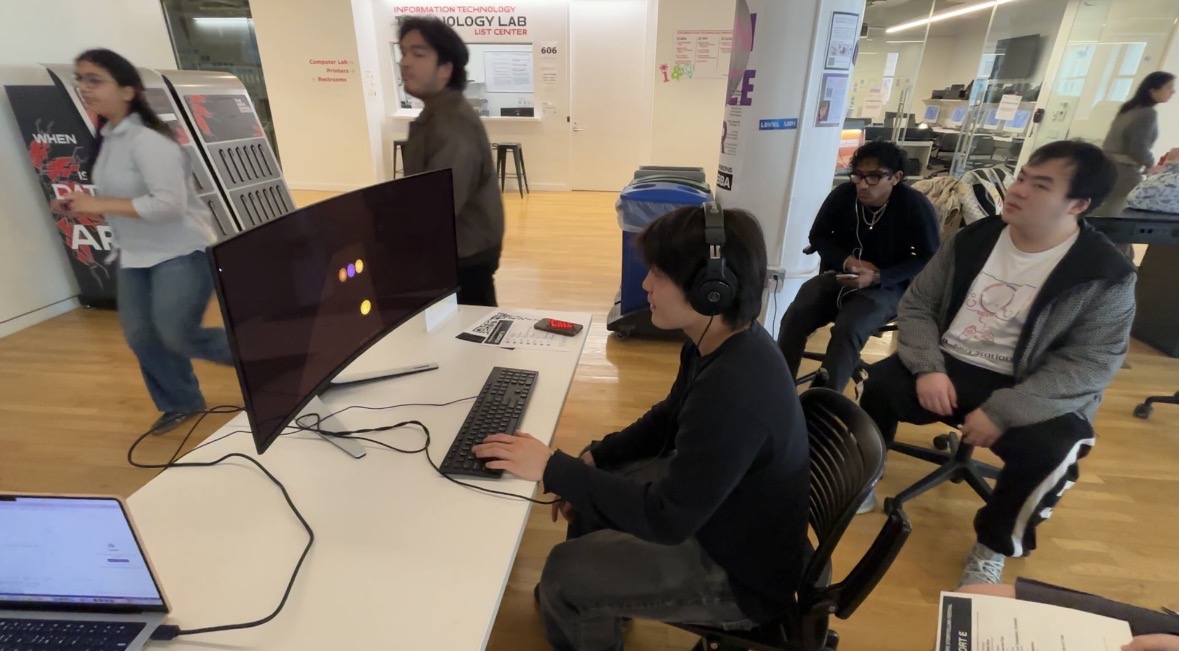
Once we started watching people play, we noticed that the sound on each level visibly affected how quickly players made decisions and, just as importantly, how confident they felt about those decisions. Faster, denser sound beds pushed players to hesitate and second-guess their choices as they tried to decipher the emotional weight of the level, while sparser, lower-intensity tracks made them more committed and less stressed to respond. It turned out that sound is not just a decoration; it is more of a driving force behind the player’s behavior.
Accessibility shaped a lot of our later choices. We wanted CAPI to be something almost anyone could open and try, so we committed to a web-based build rather than a downloadable application. At the same time, we did not want to lose the immersive depth that makes the audio land properly, so we leaned on Claude again to help vibe code 3D elements using WebGL. That combination of browser-friendly on the surface and dimensional underneath felt like the right compromise between reach and feeling.
Adrien - Sound Design in FL Studio
The most fascinating part of my role was working with spatial audio in FL Studio. Being able to place a sound so that it lived between the right and left ears, or have it travel across the stereo field as the player moved, completely changed my understanding of what audio in a game can do. I was able to get a grasp on how audio could start behaving like an “actor or “character” in the scene. When planning the levels' intensities, I looked closely at each track's BPM and mapped out different intensities across the levels. I genuinely had a physical reaction, my heart rate seemed to follow the beats I was sketching, and I realized the player's body would probably do the same. That moment convinced me that the audio side of CAPI would carry real emotional weight rather than just sit beneath the gameplay and be a successful sonic experience.
Melisa - Code
While I had experience in coding websites (HTML/CSS and JavaScript), I had never experimented with WebGL before. It felt appropriate to transform the audio experience by adding a very simple, 3D world for the user to navigate in the simplest manner possible. Creating this minimal experience in Unity also felt a bit excessive, so instead, I hosted the game on GitHub. and used Claude to assist me with vibecoding a WebGL-dependent experience. After grayboxing, I had to manually tweak areas of the code to get it as close to what we envisioned as possible.
Sathwik - Planning
My role on the team was planning the execution of the project. I was in charge of creating a timeline for what will be done when, along with ideating the different stages of the game. This consists of a weekly planner to keep our team on track, starting points for audio and game development. Since our game had 25 stages, I took the role of sourcing the various audios that will be heard during the game.
Closing Thoughts
Looking back, CAPI taught us that sound is never just sound, that vibe coding can be a real starting point rather than a shortcut, and that small technical choices can change how a person thinks, moves, and decides inside a game.
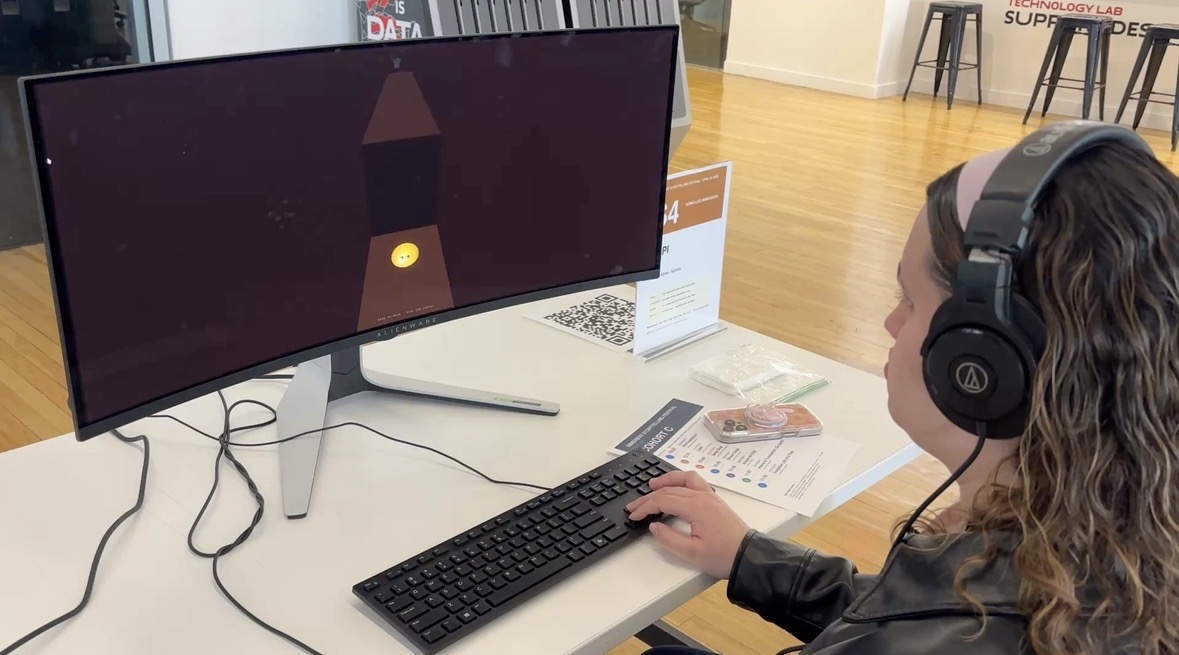
PLAYTESTING
Leave a comment
Log in with itch.io to leave a comment.